

You may have experienced it before: a lamp looks perfect in the showroom, but at home the space suddenly feels too cold or too warm. Often, it’s not the fixture itself, but the light color.
The color temperature of lighting, expressed in Kelvin (K), plays a major role in the atmosphere and comfort of a space. But which light color is best for your home?
What does color temperature mean?
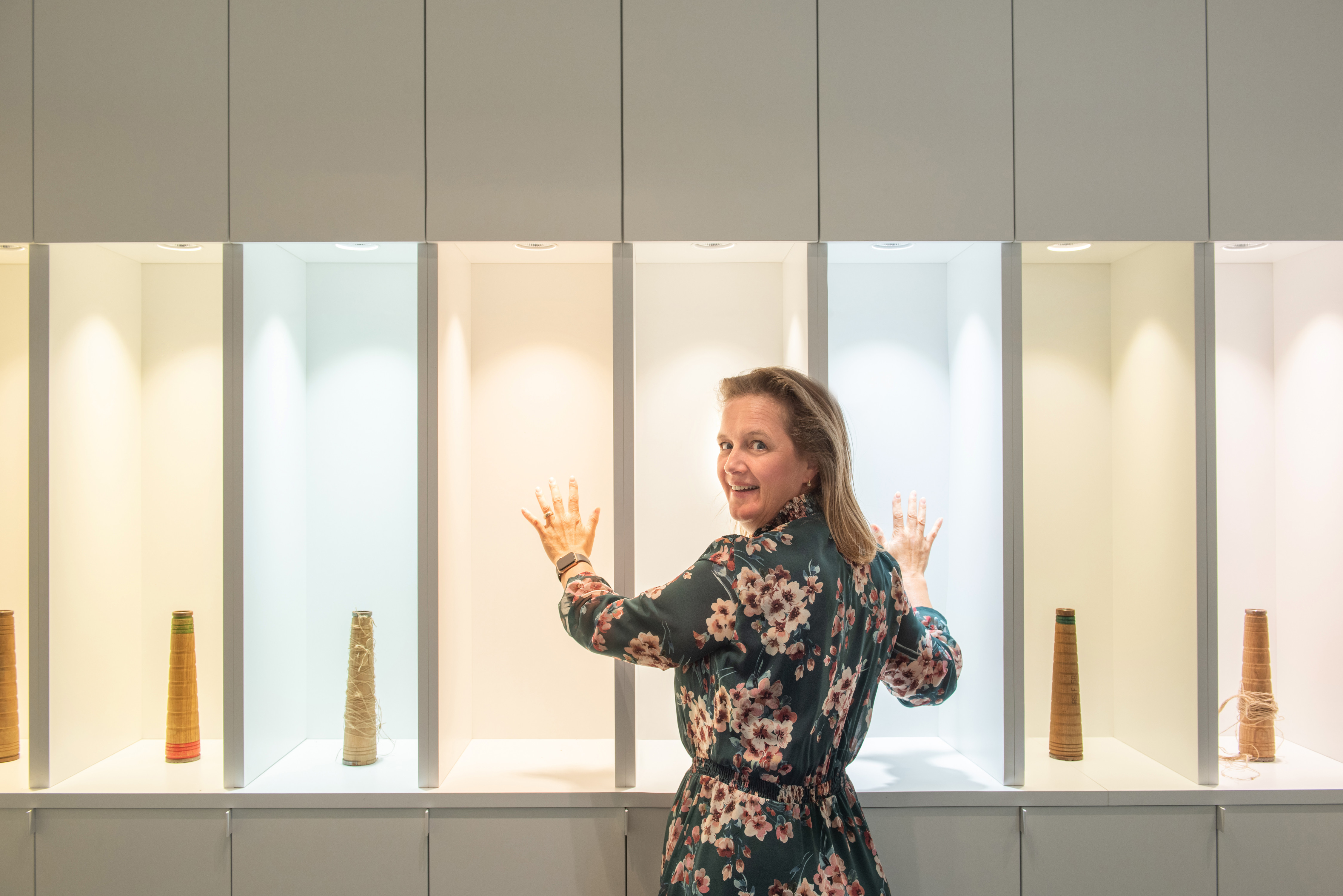
Color temperature indicates how warm or cool light appears.
2700K: warm white, similar to a traditional incandescent bulb
3000K: warm white with slightly more brightness
4000K: neutral white, suitable for functional spaces
The lower the Kelvin value, the warmer and cozier the light. The higher the value, the brighter and more functional the lighting feels
Recommended Color Temperature for Each Room
Living Room
The living room is the ultimate place to relax. That is why 2700K or 3000K is usually the preferred choice. Warm light creates a cozy atmosphere and beautifully highlights natural materials such as wood, fabrics, and natural stone.
Tip: Combine general lighting with wall lights, table lamps, or indirect lighting to create an even more inviting ambiance.
Kitchen
The kitchen serves as both a workspace and a living area. For countertops and cooking zones, a color temperature between 3000K and 4000K is ideal. This provides excellent visibility while preparing meals and cooking.
Above a kitchen island or dining table, 2700K or 3000K is often chosen to create a warmer and more welcoming atmosphere.
Bathroom
In the bathroom, finding the right balance between comfort and functionality is essential. A color temperature between 3000K and 4000K offers enough brightness for shaving, applying makeup, and daily grooming without making the room feel cold or sterile.
Tip: Position mirror lighting on both sides of the face for the best results. This helps reduce shadows and provides more even illumination.
Bedroom
For bedrooms, 2700K remains the most popular choice. Warm light promotes relaxation and helps create a calming environment before bedtime. Dimmable lighting or indirect lighting behind the headboard can further enhance the room’s relaxing atmosphere.
Home Office
In a home office, lighting can be slightly brighter. A color temperature of 4000K supports a productive working environment and creates a fresh, focused atmosphere.
Combine this with sufficient light output and proper fixture placement to avoid screen glare and reflections.

Don’t forget the CRI value
Besides Kelvin, the CRI value (Color Rendering Index) also plays an important role. A high CRI (90+) ensures that colors are rendered accurately and naturally. This makes a visible difference with materials such as wood, natural stone, fabrics, and skin tones.
Two lamps can have the same color temperature, yet still provide a completely different light quality due to different CRI levels.
Can you combine different light colors?
Absolutely. In open-plan living spaces, different color temperatures are often used depending on the function.
For example, a kitchen may use 4000K task lighting, while the seating area is lit with warmer 2700K lighting. This creates more atmosphere without compromising functionality.
The right light color makes the difference
Choosing the right light color has a major impact on the atmosphere and comfort of a space. In most homes, 2700K and 3000K form the ideal base, complemented by 4000K in functional areas such as bathrooms, desks, or work zones.
Not sure which lighting best suits your project? Visit our showroom or contact us. Our lighting advisors will be happy to help you with professional, tailored advice.